for enquiring minds
Enquiries to: info@glossopguild.org
| Tutors .Courses
.Booking. Venues .Home |
|
|
Glossop Guild for enquiring minds Enquiries to: info@glossopguild.org |
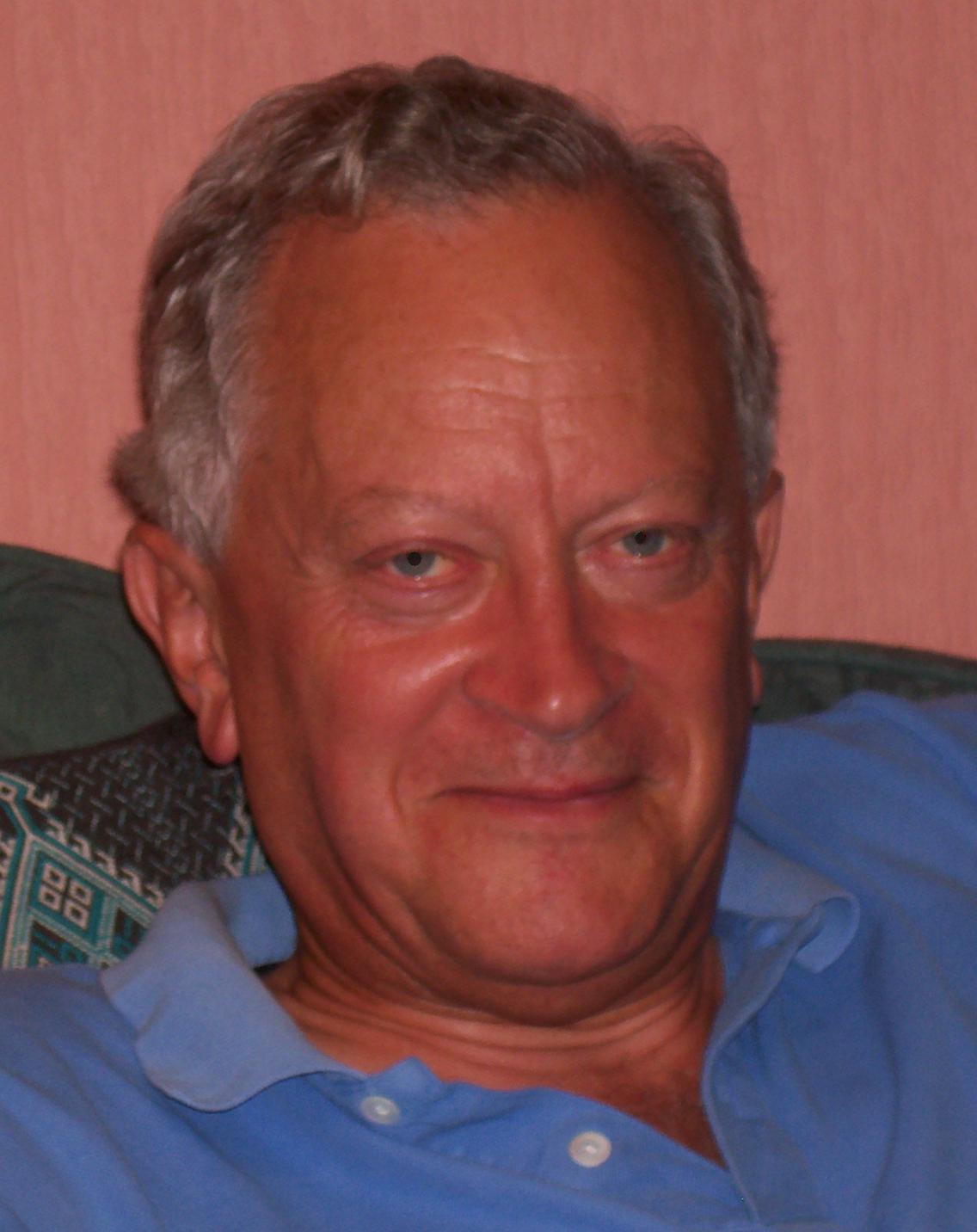 Chris Binns, B.A., M.A. Chris Binns, B.A., M.A.Christopher Binns is a specialist in the politics and culture of Russia and Eastern Europe. He studied Russian at the universities of Strathclyde and Edinburgh, after reading Classics at Oxford. He has taught international relations at Manchester University, the London School of Economics and the European University in Budapest. He is a frequent visitor to Russia and Eastern Europe and a fluent Russian speaker. In the last three years he has lectured in Russian at a summer university in Abkhazia and also in Tbilisi, Georgia. Chris pesented a five-week course entitled 'Whatever happened to the USSR?' in Autumn 2009. He presented the same course in Autumn at Chapel-en-le-Frith, as well as a new course in Glossop entitled 'The Changing World Order'. Chris recently collaborated with Gordon Gange on a much acclaimed Day School on the Music of the Russian Five. In recent years, Chris has developed a renewed interest in the people of Greece by living amongst them for much of the year and coming to understand their society. Christopher Binns Terry Brown, B.Sc., Ph.D 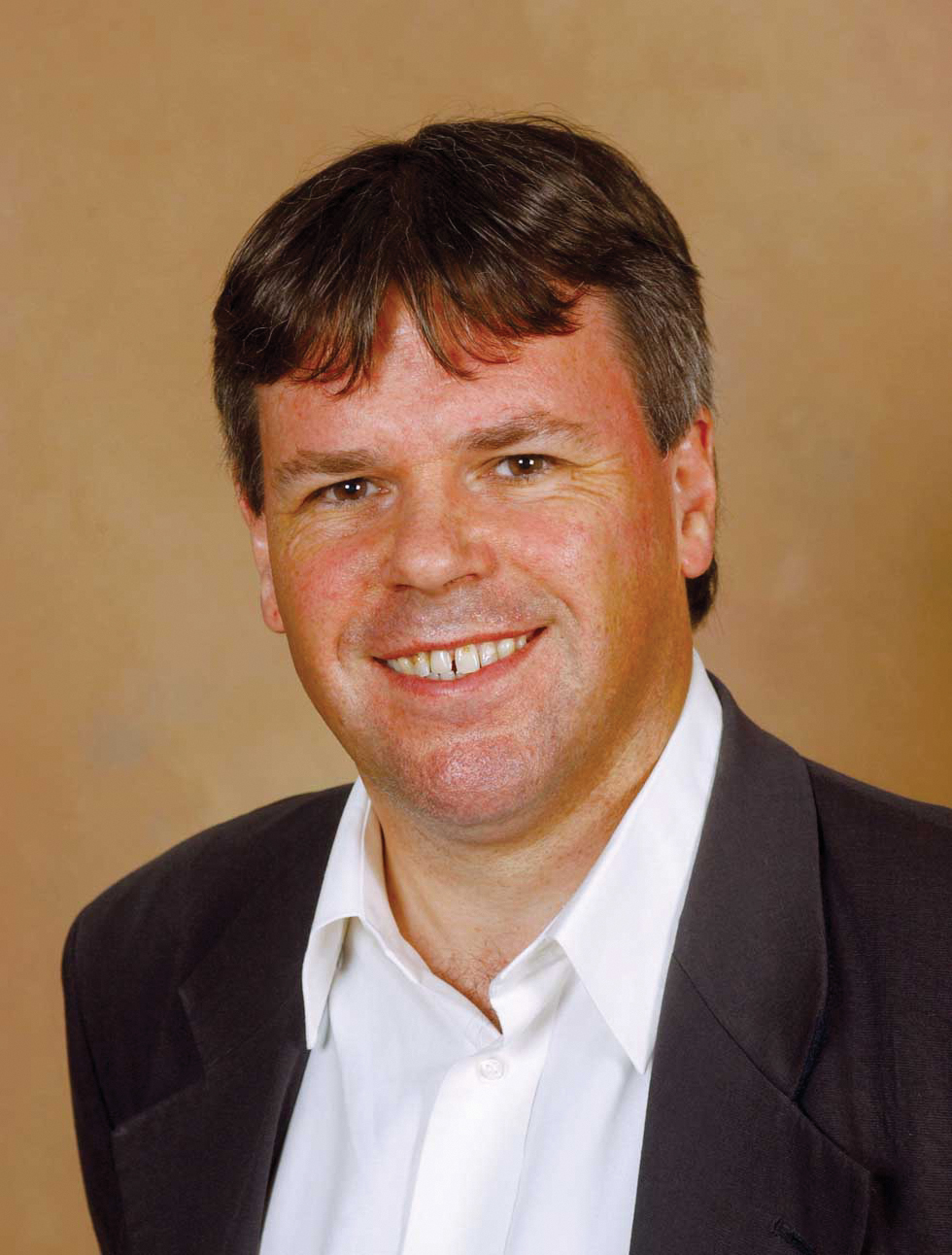 . .Terry Brown became fascinated with the natural world when he was very young. He began his research career studying the effects of metal pollution on microbes and the tolerance that some plants display to high concentrations of toxic metals. He then became excited by DNA and worked on genes in fungi for a few years. In the late 1980s, Terry became interested in ancient DNA and was one of the first people to study DNA in bones and preserved plant remains. This work has required close collaboration with archaeologists, both in Manchester and elsewhere, and has led to his current interests in the origins of agriculture, genetic profiling of archaeological skeletons and the evolution of disease. Terry was appointed Professor of Biomolecular Archaeology at UMIST in 2000 and now works in the University of Manchester. He has written a number of undergraduate textbooks including Gene Cloning and DNA Analysis: An Introduction (5th edition, Blackwell Science, 2005) and Genomes (3rd edition, Garland Science, 2006). He is currently working on an introductory genetics textbook to be published in 2010 and, with Keri Brown, a book on Biomolecular Archaeology, also to be published in 2010. Terry presented a five-week course on 'DNA in Forensic Science and Archaeology' in Spring 2010 and a five-week course entitled 'DNA and modern Medicine' in Spring 2011. Terry Brown 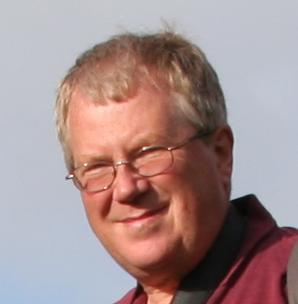 R.S.
Callow, B.Sc., Ph.D. R.S.
Callow, B.Sc., Ph.D.Robert Callow was a lecturer at Manchester University for almost thirty years (1974-2003) and a tutor with the Open University for nine (1992-2000). He appeared on the Channel 4 series “Six experiments that changed the world”. His research publications have been mainly concerned with chromosomal evolution in plants but he has taught plant ecology on numerous fieldcourses, both in the Mediterranean and in Britain. He has also led botanical holidays for the tour-company Cox and Kings. He is author, with Dr L.M. Cook, of Genetic and Evolutionary Diversity (Stanley-Thornes, 1999). His contributions to Glossop Guild include a ten-week course on 'The Life and Work of Charles Darwin' in Autumn 2009, a five-week course on 'Agricultural Revolutions' in Spring 2010 and a weekend course on Spring Flowers of the Derbyshire Dales in May 2010. He gave a five-week course entitled 'The Birth of Genetics' in Spring 2011 and a day-school on Plant Identification in Summer 2011. He presented a ten-week course entitled 'Voyages of Biological Discovery' in the Spring of 2012. Robert Callow 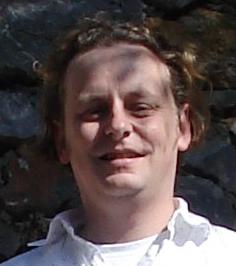 Timothy
Campbell-Green, B.Sc., M.A., Ph.D. Timothy
Campbell-Green, B.Sc., M.A., Ph.D.Timothy Campbell-Green received his Ph.D. in Archaeology from the University of Sheffield in 2005. He has been working in archaeology for over 15 years, 7 of which have been on the island of Crete. His speciality is pottery and funerary archaeology of the Early Bronze Age of the island (both of which he will discuss at length to anyone who wants to listen… or is too slow to get away), and he is currently working on the excavated material from a number of important Early and Late Bronze Age sites on the island. Tim presented a five-week course in Autumn 2009 on Pre-Classical Greece. Timothy Campbell-Green 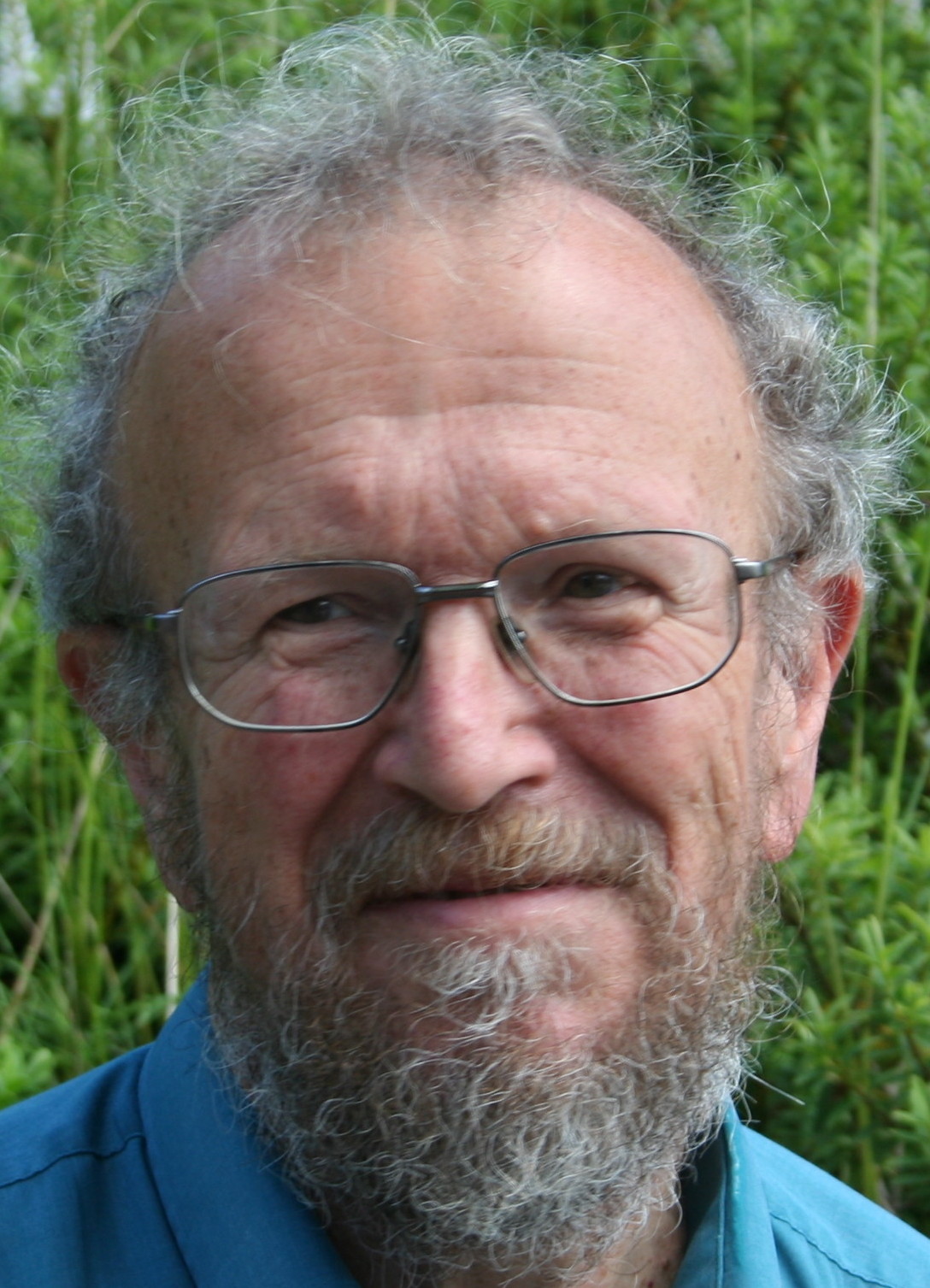 Jeremy
Dale, B.Sc., Ph.D. Jeremy
Dale, B.Sc., Ph.D.Jeremy Dale is Emeritus Professor of Microbiology at the University of Surrey. He is author of the very successful Molecular Genetics of Bacteria. He has a special interest in the properties and control of the bacterium which causes bovine tuberculosis. Jeremy is an active supporter of Glossop Guild. He has already presented an informative and enlightening lecture entitled ‘Good and Bad Bugs’ and is back by popular demand. Jeremy Dale Glyn Davies 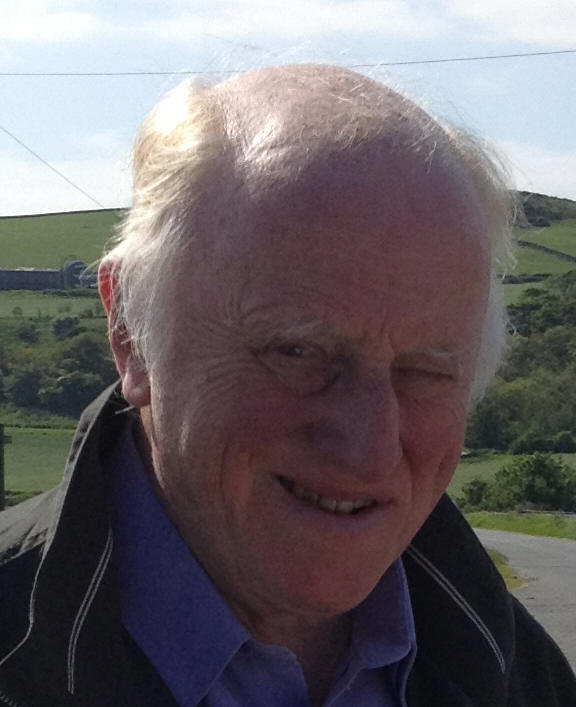 Glyn Davies has had a very varied musical career. After gaining a music scholarship he graduated in music from Manchester University and the Royal Manchester College of Music. He trained as a teacher and has pursued a career in music education – teacher, lecturer, Head of the music department at Derby University and more recently lecturer at Manchester University and the Royal Northern College of Music. He is currently the organist and choirmaster at Bakewell Parish Church, a pianist, choir trainer of the Gloriana Singers in Manchester and conductor of the Peak Chamber Orchestra. Glyn Davies Gerald Desland 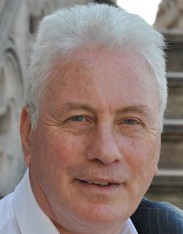 es, B.A., M.A. es, B.A., M.A.Gerald Deslandes read the History of Art at Cambridge University and later at the Courtauld Institute in London. He has an extensive background in the direction of galleries and exhibitions throughout the United Kingdom, from Dundee to Newlyn and from Cardiff to Leeds. His experience of adult education extends to extramural courses for the Universities of Cardiff, Leeds and Manchester as well as presentations for the Workers Educational Association (WEA) and the Museum of Science and Industry. Gerald is a major fund raiser for cancer charities. Gerald Deslandes 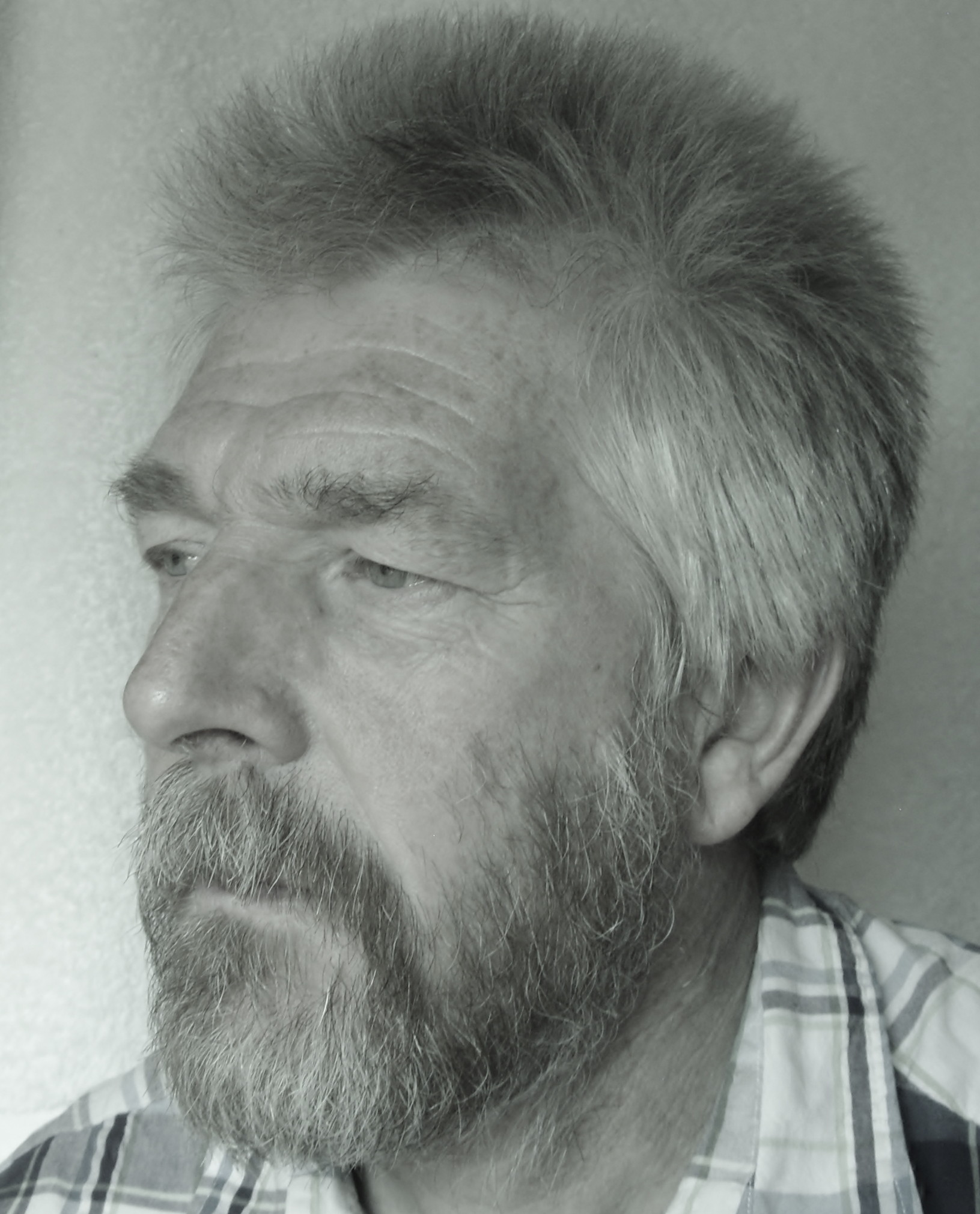 David Frith David FrithDavid Frith is a local man, born in Hollingworth and living in Hadfield, Marple and Whaley Bridge. He has had a variety of occupations, mostly with British Waterways as a canal man on the Peak Forest and Macclesfield Canals but then became a shunter with freight railway companies, retiring from Freightliner Heavy Haul. David has spent all his free time walking and giving talks. In 1972, he walked the Pennine Way with a party from Glossop Adult Education Centre. He has written a guide to local footpaths and remains an active member of the Longdendale and Glossopdale Footpath Society. David Frith 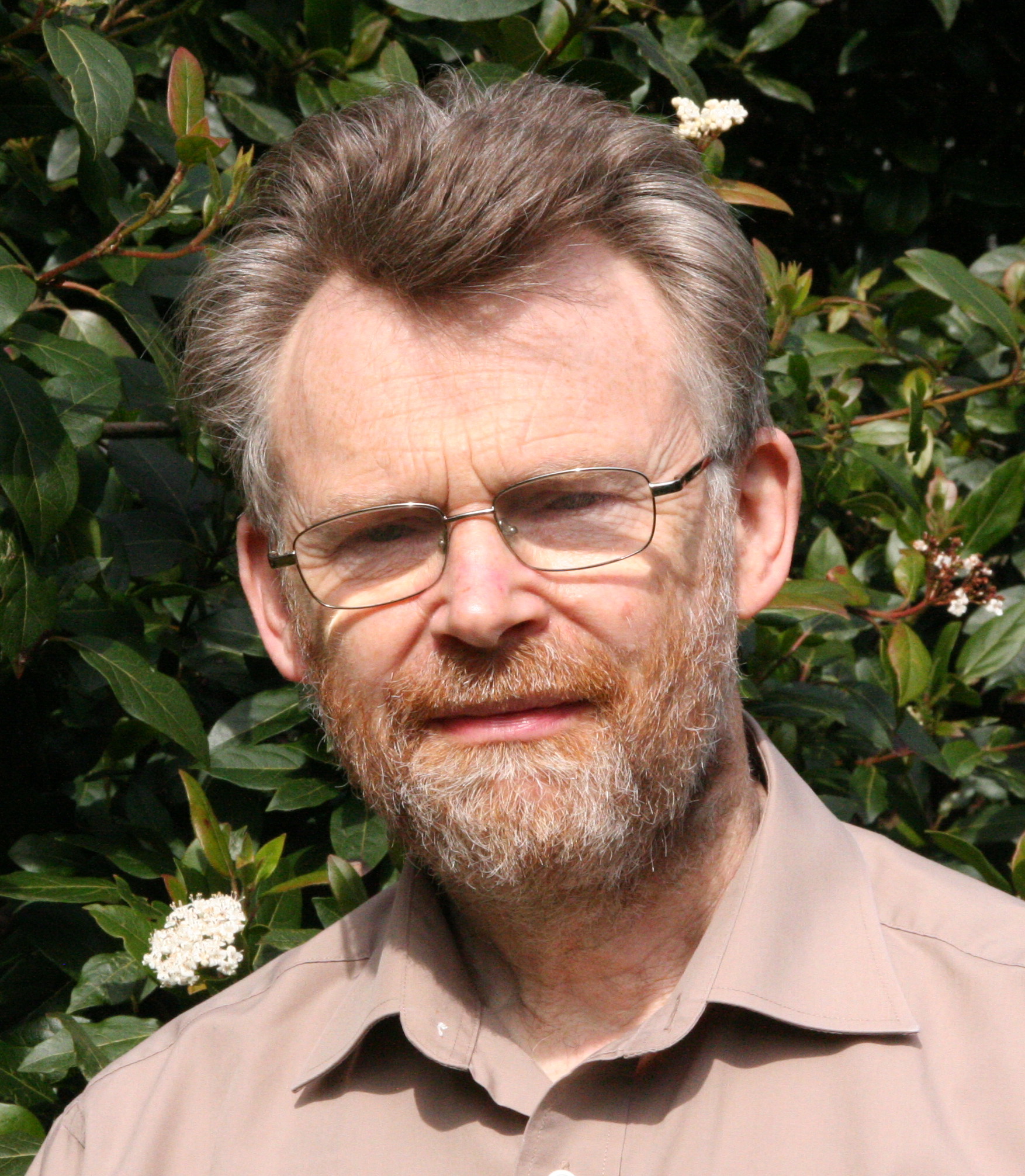 Gordon Gange Gordon GangeGordon Gange has been playing violin professionally for forty two years. He is about to retire from a long and fascinating career with the BBC Philharmonic. In his younger days he played with the BBC Scottish and the Philharmonia Hungarica, as well as working with orchestras in Austria and Holland. Since he first started learning he has been as interested in listening to music as in playing it, intrigued by conductors’ diverse interpretations, and looking beyond the music to the personalities and motivations of the composers. He has enjoyed sharing his experiences in programme notes and pre-concert talks for the BBC, and is looking forward, in retirement, to having time to devote to talking about music and giving lecture recitals. Gordon presented ten-week courses entitled 'The Story of the Symphony' in Autumn 2010 and 'The Story of the Violin' in Autumn 2011. Gordon recently collaborated with Chris Binns on a much acclaimed Day School on the Music of the Russian Five. Gordon Gange 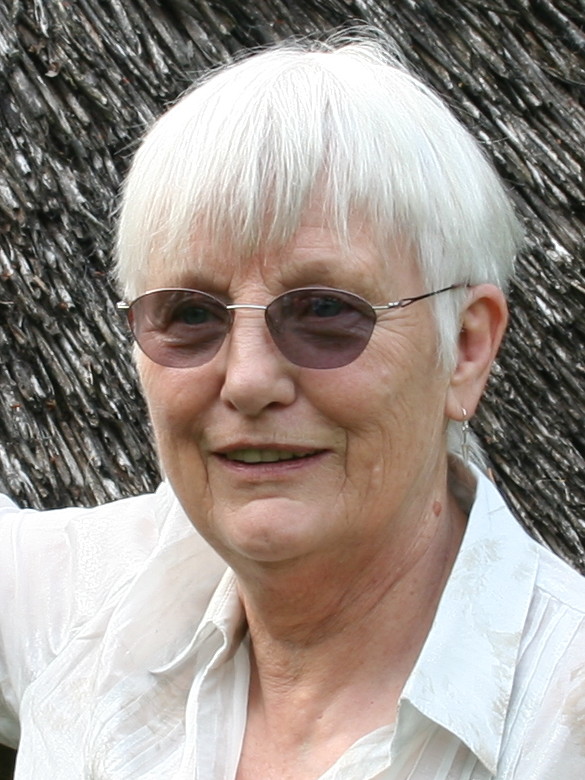 Ann Hearle Ann HearleMoving to Mellor in 1970, Ann Hearle joined a WEA class which produced an account of 'Historic Industries of Marple and Mellor'. She then studied for the Certificate in Local History at Manchester University, writing her dissertation on 'The decline of Mellor in the 19th century'. Ann has researched, mounted exhibitions, written books and for twenty years was chairman of Marple Local History Society. Together with husband John, she founded Mellor Archaeological Trust, after finding crop marks in and around her garden, exposed by the drought of 1995. Since 1998, she has been heavily involved with the excavations, mostly in her own garden, that have revealed ten thousand years of occupation on the hilltop. Ann presented a weekend course entitled 'Mellor Hilltop - ten thousand years of occupation' in June 2010. Ann Hearle 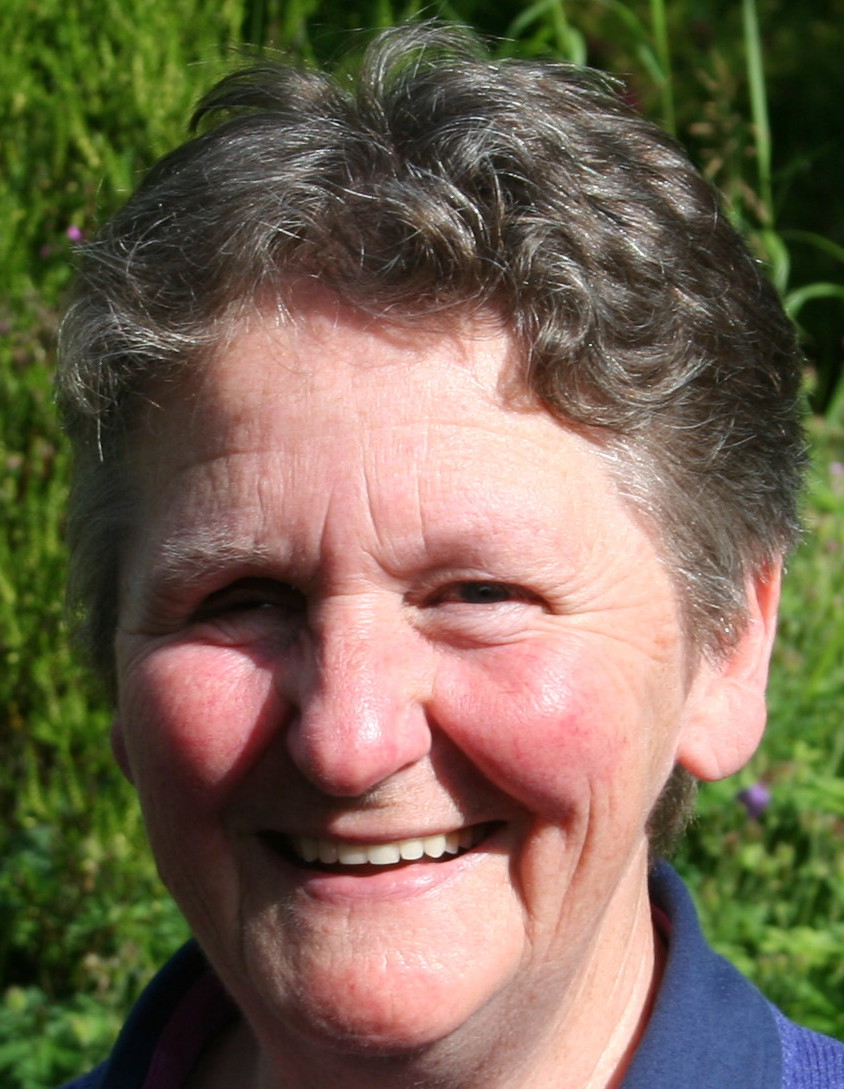 Margaret Hickson, B.A. Margaret Hickson, B.A.Margaret Hickson has worked on textile design for almost forty years, mainly at Newton Bank near Hyde and principally for the export market to West Africa. Despite her own lack of formal training, Margaret taught many students during the course of her career. She has developed a lifelong interest in the history and symbolism of Batik wax prints and is an avid collector of books and samples. Margaret also produces and illustrates the annual report of the Altrincham and District Natural History Society. Margaret Hickson 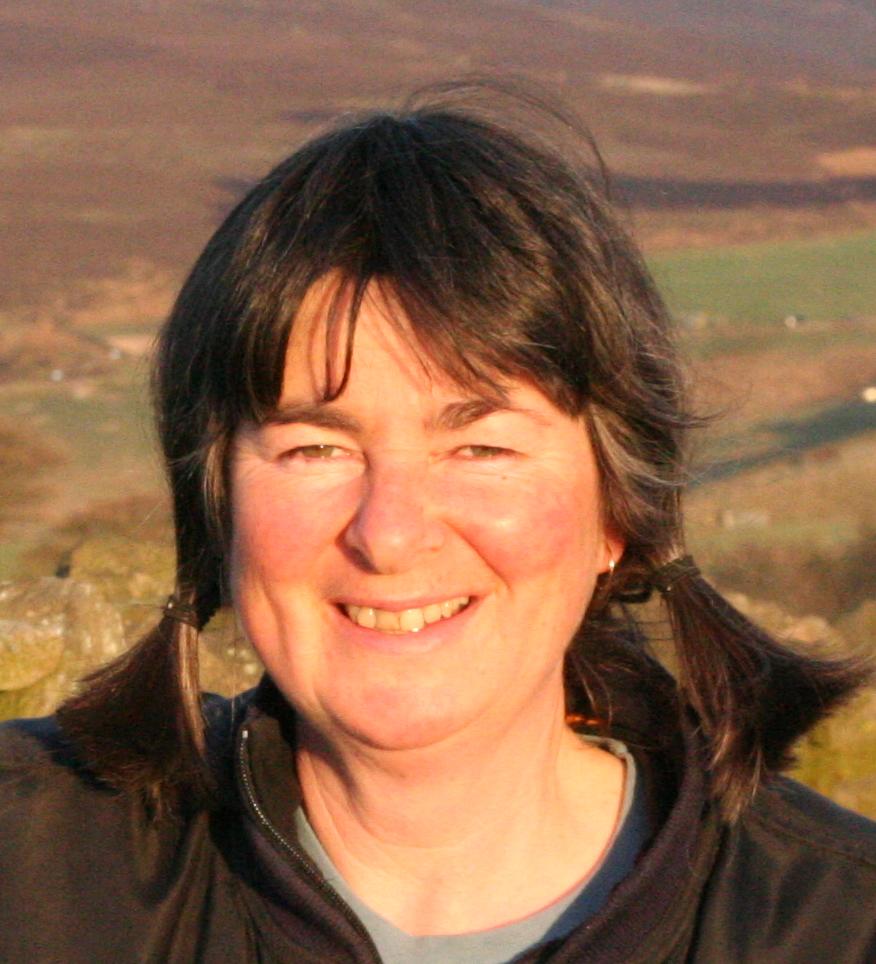 Sally Hodgson, B.A. Sally Hodgson, B.A.Sally Hodgson has been running a successful dry stone walling business since 1989. Her work draws on her background as an artist ( Bachelor of Arts Degree in Fine Art and Textiles) and the majority of her commissions are ambitious projects completely reshaping an environment, constructing dry stone buildings,building outdoor seating and water features, and sculptural pieces. She was in receipt of a Churchill Travel Scholarship and has studied stone-walling projects in many parts of the world. She was recently commissioned to construct a wall at the National Arboretum. She has taught her craft to numerous organisations and will be describing her activities in a course entitled 'Adventures of a Dry-Stone Waller'. Her farm has been accepted into the High Level Stewardship scheme. Sally presented a weekend course on Dry-Stone Walling in June 2010. Sally Hodgson, B.A. 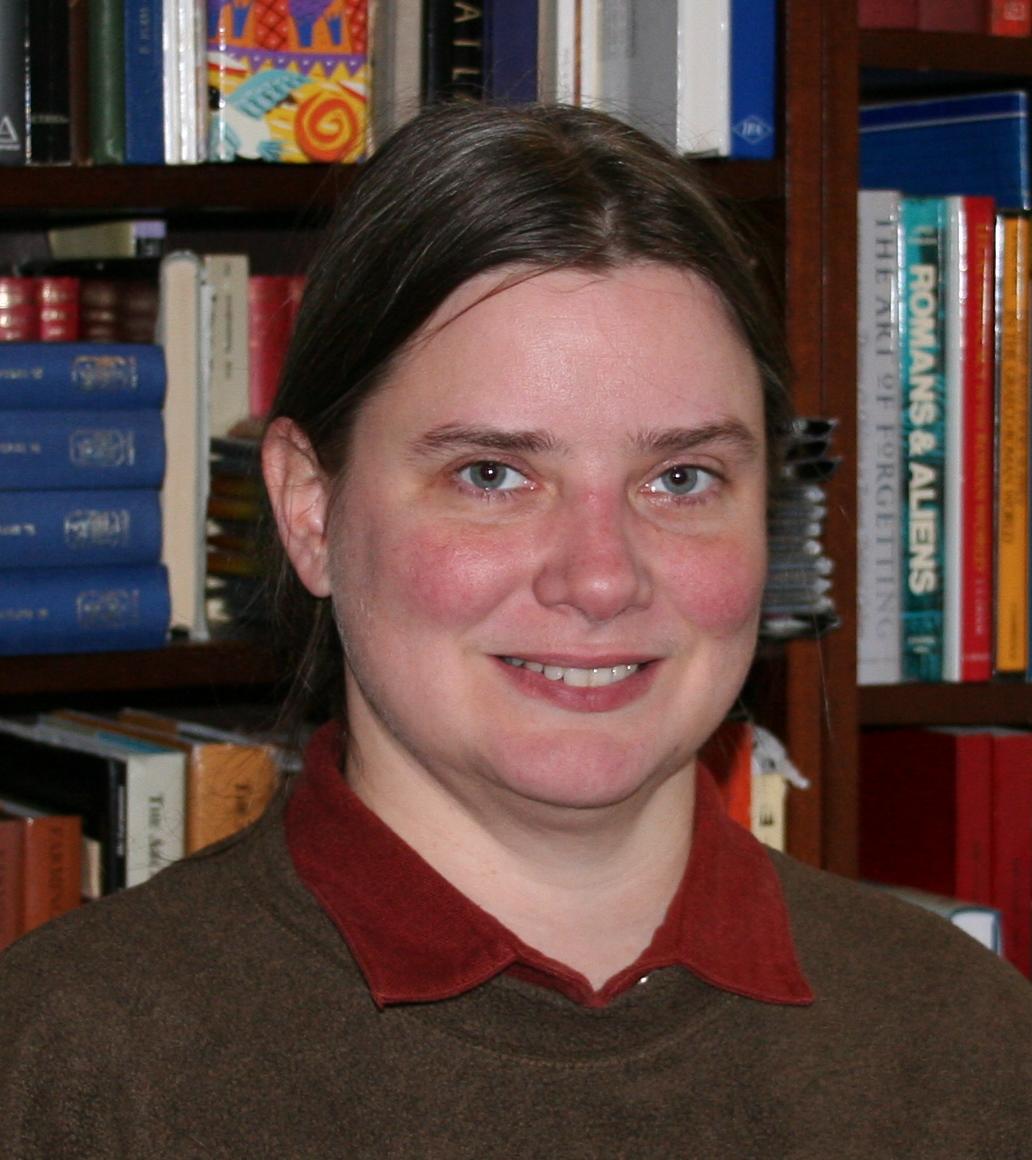 Birgitta Hoffman, M.A.,
Ph.D. Birgitta Hoffman, M.A.,
Ph.D.Dr Birgitta Hoffmann is an Honorary Research Fellow at Liverpool University and Co-Director of the Roman Gask Project. She teaches or has taught Archaeology, Ancient History and Latin at UCD Dublin, Manchester, Queen’s College Canada and Virginia Military Institute Virginia. She also lectures for a number of adult educational organisations in addition to freelance research and writing. She studied Roman Archaeology, Early Medieval Archaeology and Ancient History at Freiburg University in Germany. She has an M.A. in Roman Archaeology from Durham University and a Ph.D. in Roman Archaeology from Freiburg University. Birgitta Hoffmann is a Fellow of the Society of Antiquaries of London and has published widely, especially on trade and long-distance contact across borders, military archaeology of the Roman and early modern periods, as well as Roman history and archaeology. She is Chairperson of the Wilmslow Community Archaeology Group. Birgitta presented five-week courses entitled 'The Roman Conquests of Britain' in Autumn 2010 and 'The Vikings at Home and Abroad' in Autumn 2011. Birgitta has also run tow highly successful day-schools, one on Roman Cookery and another on Medieval Cookery. Birgitta Hoffman  Dr Craig Horner Dr Craig HornerCraig Horner is a lecturer in the history department at Manchester Metropolitan University (MMU). He has a research interest in early motoring and cycling in the north-west and is working on several projects: mapping the earliest vehicle use in Cheshire; and is starting up a project funded by the Arts and Humanities Research Council to understand why Manchester, with such initial promise, failed to thrive as a ‘motoring’ town. He is particularly interested in the sporting culture and willingness to club together of the earliest motorists. For example, the Manchester Automobile Club was one of several local clubs active at the time, and it offered advice on where to find petrol, social outings, sporting days out and more. (Email: C.Horner@mmu.ac.uk) Craig Horner 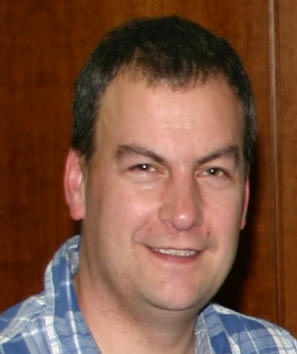 Dr Gary James Dr Gary JamesGary James is a lecturer within the Department of Exercise and Sport Science at Manchester Metropolitan University. His recent research focuses on the birth of association football in the Manchester region, considering the teams, players, personalities and supporters that helped shape the growth of the game in that city. He has published extensively on Manchester football with his recent publications including 'Manchester A Football History', 'Manchester The City Years' and 'Joe Mercer: Football With A Smile'. He is a member of the MMU Sport, Leisure and History Group (SpLeisH) and is on the judging panel for the National Football Museum’s Hall of Fame. (Email: Gary.James @mmu.ac.uk Twitter: @GaryJamesWriter) Gary James 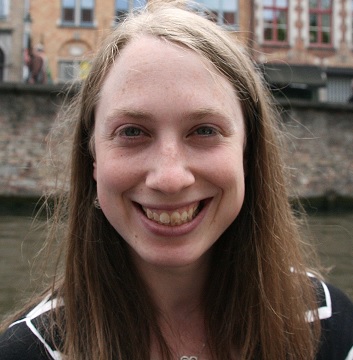 Rachel Johnson, Mus.B., M.Mus.,
DipABRSM Rachel Johnson, Mus.B., M.Mus.,
DipABRSM Rachel is a PhD candidate at the RNCM, supported by an AHRC Studentship, researching musical networks in early-Victorian Manchester. Her work investigates the place of music in the wider social and cultural structures of early-industrial Manchester, looking in particular at musical philanthropy, musical entrepreneurship and musical engagement. Rachel holds a Masters in flute performance from the Royal Welsh College of Music and Drama, prior to that completing undergraduate study at the University of Manchester. When not researching, she is busy as a freelance flautist and teacher, a musician in the Army Reserve and (being a New Mills resident) a keen climber and member of Kinder Mountain Rescue Team. (Email: rachel.johnson@student.rncm.ac.uk Twitter: @RachelJMusic) Rachel Johnson 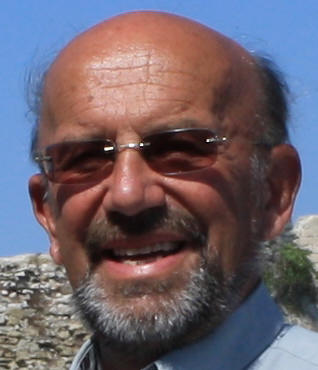 Barry Lee, M.A., M.Ed. Barry Lee, M.A., M.Ed.Barry Lee comes from Huddersfield. He worked for several years in the computer industry before joining higher education. Barry taught and researched in computing at two polytechnics, later universities, writing several standard textbooks in the process. He gradually moved into senior management at the University of Huddersfield, where he finished as Pro Vice-Chancellor. Since retiring in 2005, he has become an active supporter of Christian Aid, Action Aid, Fairtrade and Church Action on Poverty. Barry Lee 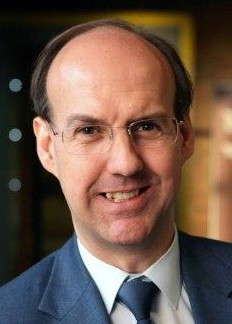 Nigel Linge, B.Sc., Ph.D. Nigel Linge is Professor of Telecommunications at the University of Salford. He specialises in computer networks and their applications. He also takes a keen interest in the engineering achievements that lie at the heart of our telecommunications revolution and the way in which they have transformed our lives. Nigel is a Chartered Engineer and Chartered IT Professional. Nigel Linge 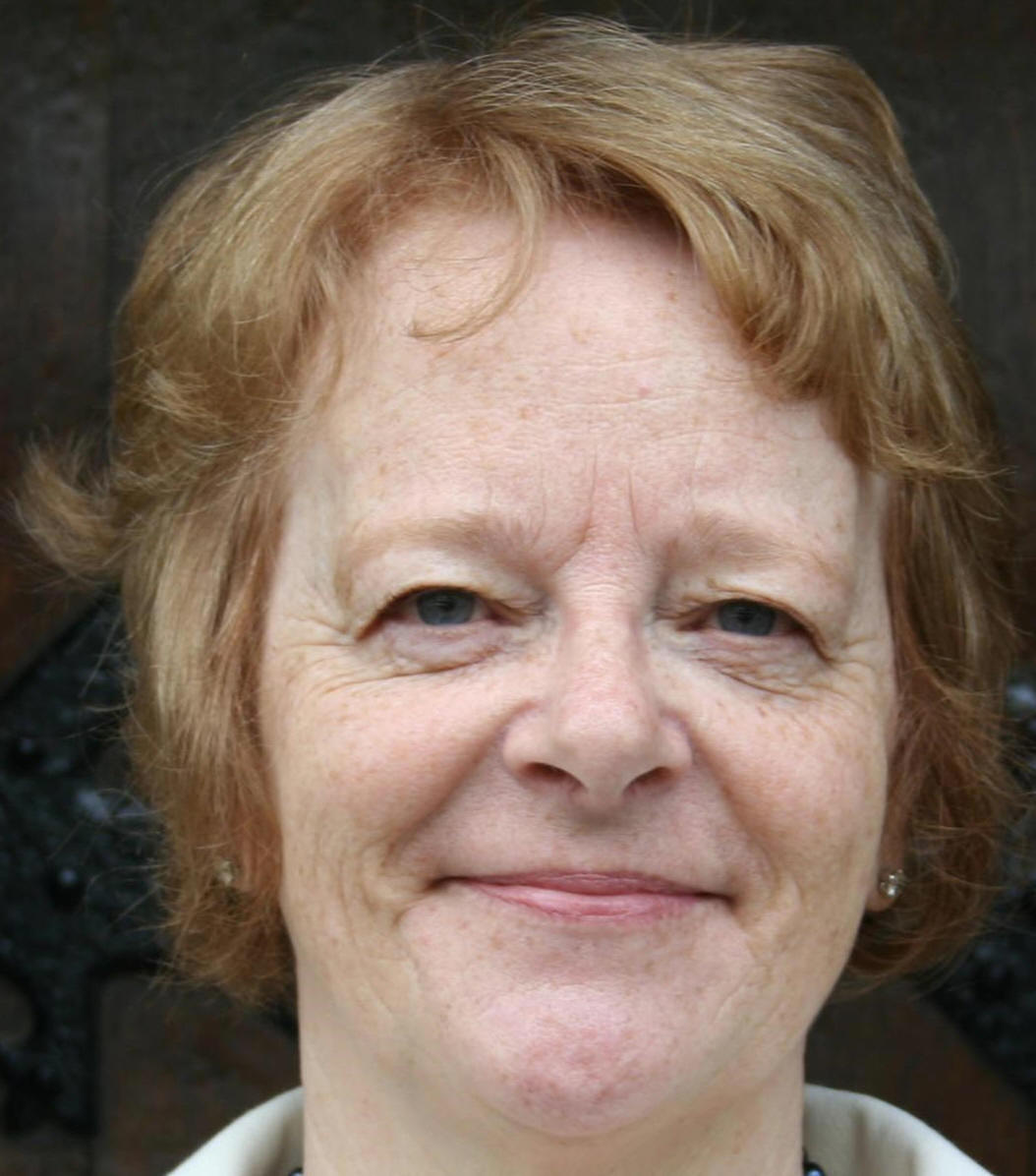 Creina
Mansfield, M.A., Ph.D. Creina
Mansfield, M.A., Ph.D.Creina Mansfield eaches English literature. Her special interest is in the history of the modern novel and the construction of narrative, particularly in the works of Graham Greene.. She has recently presented a ten week course 'Aspects of the Novel' for the Wilmslow Guild. Creina presented a five-week course on Graham Greene's War in Spring 2010 and a ten-week course entitled 'The First World War - Three Testaments of Youth' in Spring 2011. She collaborates with Dr Alan Sennett in presenting Day-Schools on English Films, at which she contributes information on scripts, script-writers and the motivation behind the film. Creina and Alan Sennett have collaborated on three Film-Days for Glossop Guild: on 'The Third Man', 'Casablanca', 'The Quiet American', 'The Manchurian Candidate', 'Lawrence of Arabia', 'A Passage to India' and 'Good nIght and Good Luck'. Creina Mansfield 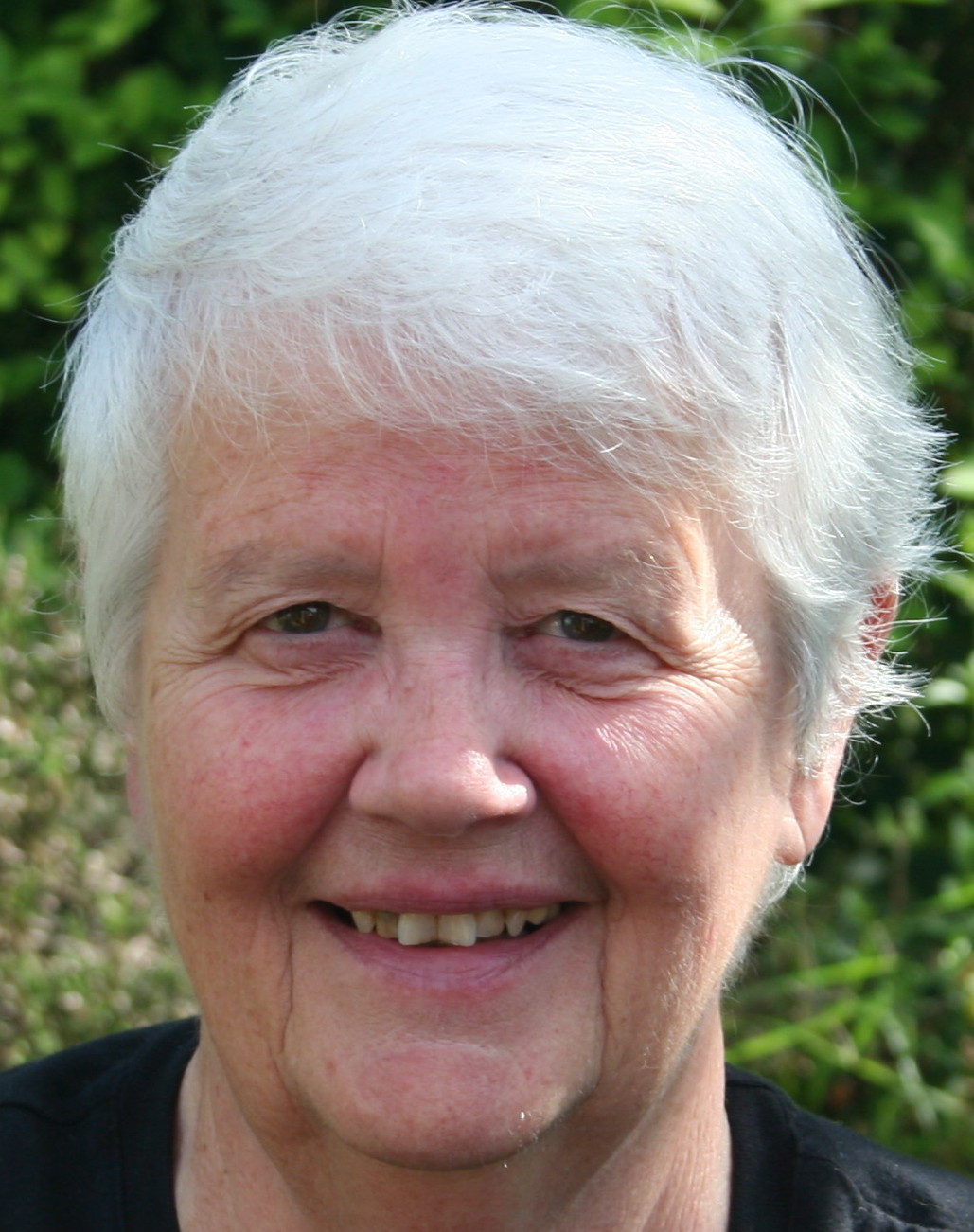 Anne Mason Anne MasonAnne Mason trained in Industrial Design at Salford Royal Technical College. She has designed textiles for a range of firms in and around Manchester, particularly for the West African market. Since retirement, she has been involved in establishing an archive of textiles for the Museum of Science and Industry in Castlefield. Anne has also designed interpretive display boards for Cheshire Wildlife Trust and is currently researching the Arts and Crafts movement of the Cotswolds. Anne Mason 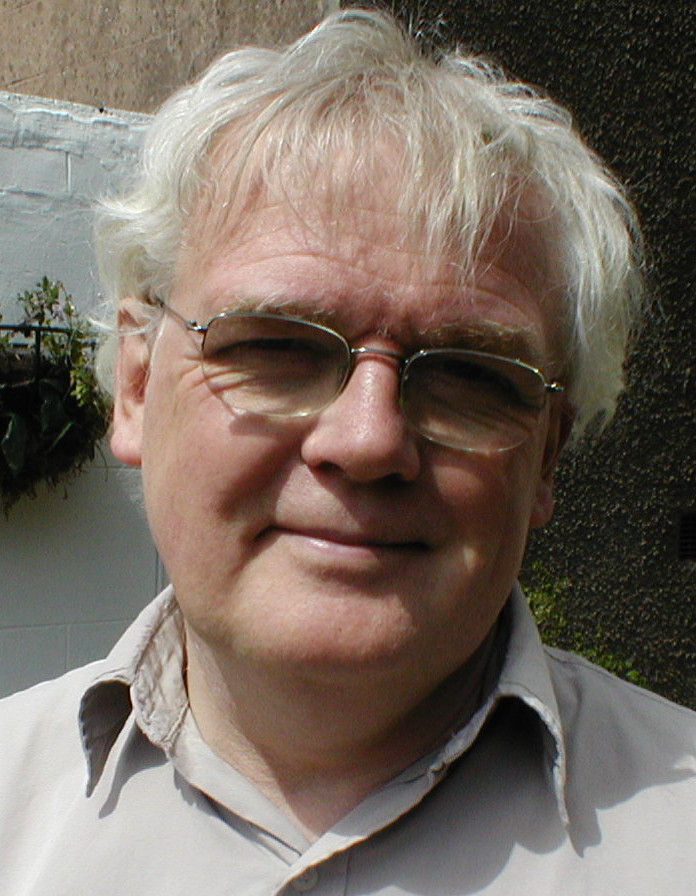 Michael
Moran, M.A., Ph.D. Michael
Moran, M.A., Ph.D.Michael Moran had his first encounter
with politics came fifty years ago trying to sell
the newspaper of the Young Communist League on the
streets of Birmingham. He didn’t sell many copies
but learnt a lot of new Brummie swear words! For forty
years he taught government in universities and has
just retired as Professor of Government at the
University of Manchester. He continues to teach at
the University Business School. His most recent book
is After
the Great Complacence: Financial Crisis and the
Politics of Reform (Oxford University Press,
2011). Mick presented a very successful
course in Glossop on the Financial Crisis in
Autumn 2011.
Michael Moran 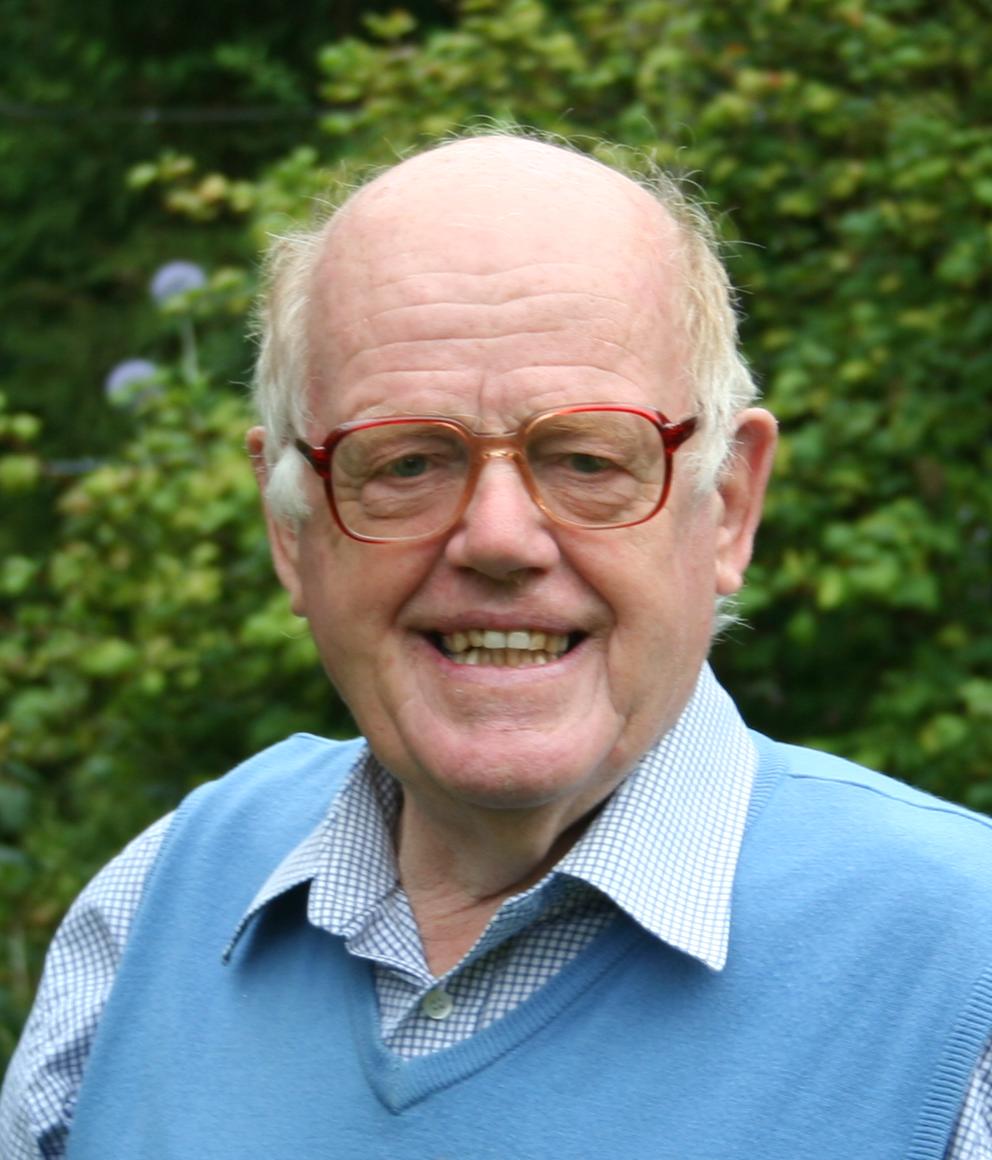 Ian Moss, B.Sc., M.Sc. Ian Moss, B.Sc., M.Sc.Ian Moss has always lived near a canal. His childhood home overlooked the Leeds-Liverpool Canal near Chorley and his current home is close to the Peak Forest Canal in Marple. A physics teacher by profession, Ian has taken a close interest in canals and railways all his working life. He has given numerous lectures on this subject and is a past President of the Railway & Canal Historical Society (1996−1998). Ian presented a ten-week course on 'British Canals' in Autumn 2009 and a weekend course on 'Manchester Ship Canal' in Spring 2010. He presented a course entitled 'Railways across the Pennines' in Autumn 2010 and a day-trip to Pennine Railways in Summer 2011. Ian Moss, B.Sc., M.Sc. 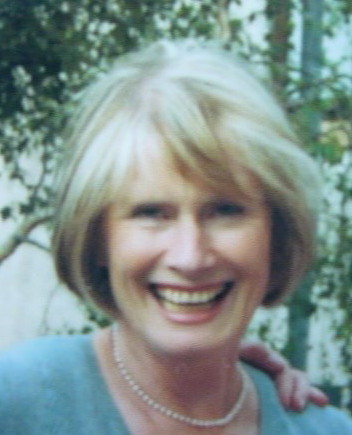 Christine Musgrove, M.A. Christine Musgrove, M.A.Christine Musgrove read History of Art at Edinburgh University. Her particular interests include in Islamic Art, the multi-cultural arts of Medieval Spain and the relation between Islamic and European cultures. She also has an interest in British Art. Christine has curated exhibitions, taught at Manchester University and been involved in adult education for a wide range of organisations over many years. She has also organised and lectured on study tours to Europe and the Middle East. Christine has presented two much accalimed day-schools in Glossop, one on British Sculpure and the other on Islamic art in Spain. Christine Musgrove 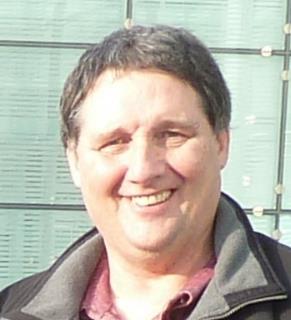 Dr Keith Myerscough Dr Keith MyerscoughKeith Myerscough recently retired from his post as a Senior Lecturer in Sport Studies at the University Centre, Blackpool in order to spend more time with his own research. Keith has published work on the social history of British Basketball, 1892-1936, which is a much referenced source; he has also published articles on the sporting lives of Victorian professional swimmers. His current research stems from his doctoral studies on a social history of swimming in Lancashire, 1846-1906. Keith began his teaching career in Tameside, teaching physical education for nine years at Hattersley Comprehensive and then at Mossley Hollins High School. (Email: kmyerscough@tiscali.co.uk Twitter: @homosignificus) Keith Myerscough  Dr
Samantha-Jayne Oldfield Dr
Samantha-Jayne OldfieldSamantha-Jayne (Sam) Oldfield is a senior lecturer and researcher in sport history at MMU. She completed her PhD in 2014 on Manchester’s athletic development, constructing and examining biographies of nineteenth century sporting entrepreneurs and athletes within the city. Publications within the academic field focus on the use of biographical methods in sport history as well as the development of Manchester’s sporting identity, continuing to expand her work on sporting publicans. Additionally, she is also developing her research surrounding the cultural and social aspects of sport: transnationalism and transatlantic sporting connections, amateurism and Northern resistance, female sporting entrepreneurship and sporting migration. She is the Book Review Editor for Sport in History and is an active member of the British Society of Sports History, where she is secretary of the North West regional chapter. With Dave Day, she is a founding member of SpLeisH, and is dedicated to advancing the group’s profile and impact within the sport and leisure history field. (Email: s.j.oldfield@mmu.ac.uk Twitter: @sammyoldfield) Samantha-Jayne Oldfield 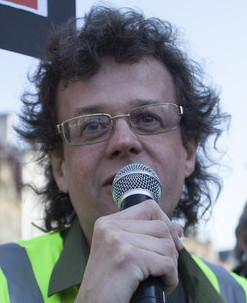 Martin Porter, B.Sc. Martin Porter, B.Sc.Martin Porter has been an environmental activist for most of the last 20 years and has shared a police cell with Greenpeace Director Peter Melchett and been Swampy's spin doctor. He has campaigned against the building of the Newbury bypass and the second runway at Manchester Airport and was part of the successful Greenpeace campaign to stop the growing of GM crops. More recently he has been campaigning against fracking and organised the Manchester People's Climate March. He has a degree in astrophysics but is a social worker by profession. Martin Porter  Claire Robinson,
B.A., M.A. Claire Robinson,
B.A., M.A.Claire Robinson is a Research Associate with the Sport and Leisure History Group at MMU Cheshire. She is about to submit her doctoral thesis to the University of Birmingham, where her research has focussed on the major theatres in central Manchester at the end of the nineteenth century and the networks and communities that developed around them. In addition she works in the field of public engagement, and has recently taken part in the Creating our Future Histories programme with the Manchester Centre for Regional History at MMU’s Manchester campus. She is also a volunteer for the Manchester Histories Festival and has taken part in two oral history projects related to Strawberry Recording Studios in Stockport, and Belle Vue. Prior to returning to academia Claire worked in cinema and theatre management, with a focus on audience development. (Email: cxr988@bham.ac.uk; Twitter: @McrClaire) MMU logo, in lieu of portrait 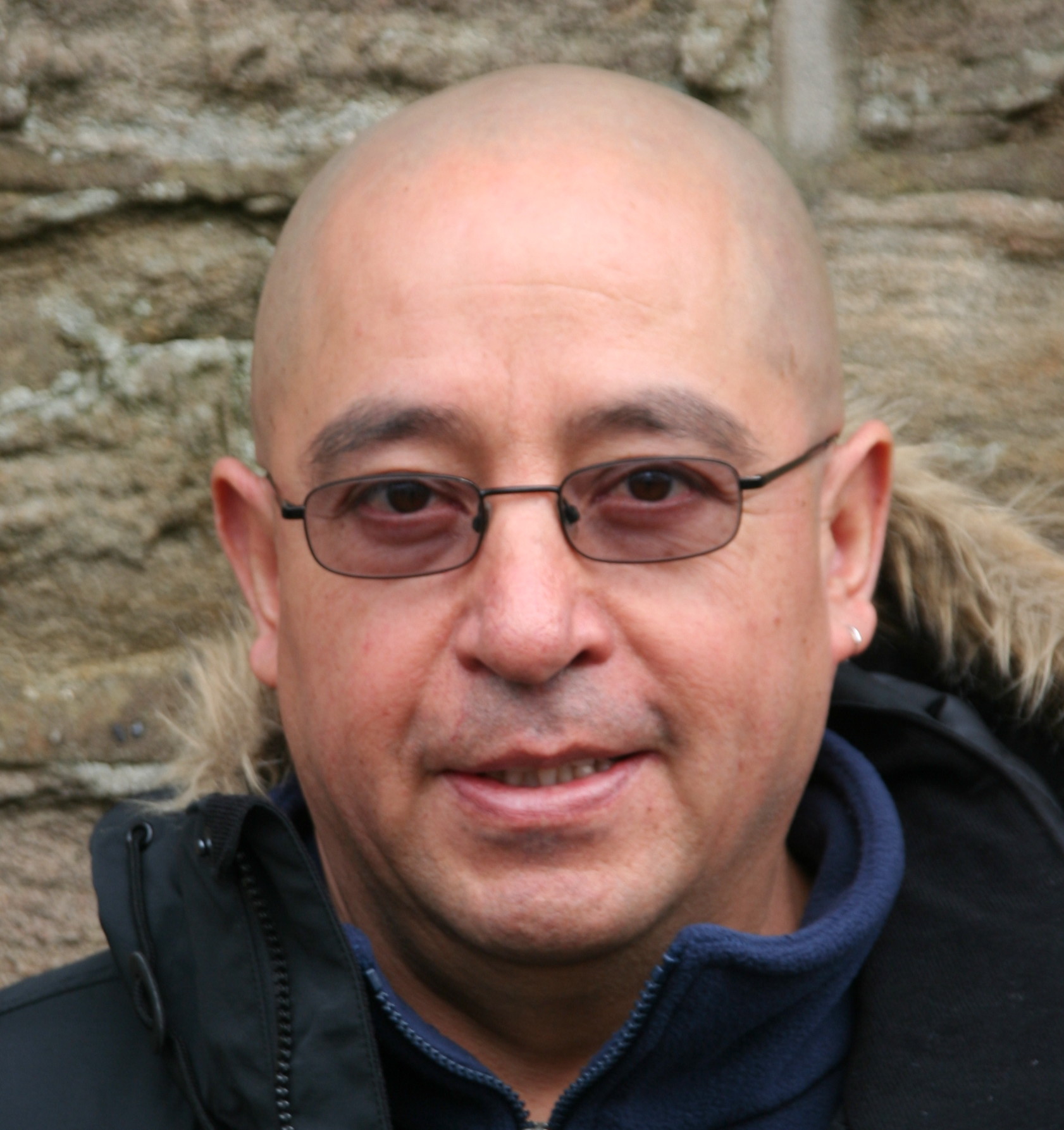 Wilbert Vera Robles Wilbert Vera RoblesWilbert Vera Robles has a Bachelor’s degree in social sciences awarded by the Universidad Nacional de San Anthonio de Abad del Cusco and the equivalent of a Master’s degree in archaeology − a Licenciado en Arqueologia. He has worked as a field archaeologist on many different international projects in Peru. Wilbert is an expert on the ancient Quechua language of the Inca and a Fellow of the Academy of that language in Cusco. In 1999, he was appointed administrative Director of the district of San Jeronimo-Cusco but moved to California at the end of that year, where he was able to study English. In 2006, Wilbert moved to Britain with is family and now lives in Glossop. Wilbert Vera Robles 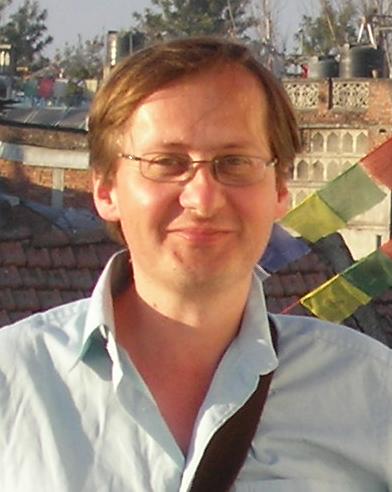 Alan Sennett, M.A., Ph.D. Alan Sennett, M.A., Ph.D.Alan Sennett is an Associate Lecturer at the Open University and teaches modern history, politics and film at Manchester and Liverpool universities. He also lectures for a number of adult educational organisations in addition to freelance research and writing. He studied modern history at Sheffield City Polytechnic, took his M.A. in Political Sociology at Leeds University and a Ph.D. at Manchester University. Research interests include political organisations in the Spanish Civil War, and film propaganda in the 1920s, 1930s and 1940s (including cinema of Empire, Hollywood, Soviet and Weimar cinemas and the documentary film movement in Britain). Alan presented a ten-week courses on 'Britain and the Middle East' in Spring 2011 'Britain in the 1950s' in Spring 2012. He is a founder member of History Inc. Other members include Martin Jervis, B.A., Ph.D. who teaches English and American political history at the University of Bolton and Christopher Makepeace, B.A. who is an expert on the local history of Manchester. Further details can be found at their website http://www.history-inc.co.uk. Alan collaborates with Creina Mansfield in presenting Day-Schools on English Films, at which he contributes historical context and details of the film-maker's craft. Alan and Creina have collaborated on five Film-Days for Glossop Guild: on 'The Third Man', 'Casablanca', 'The Quiet American', 'The Manchurian Candidate', 'Lawrence of Arabia', 'A Passage to India' and 'Good nIght and Good Luck'. Alan Sennett 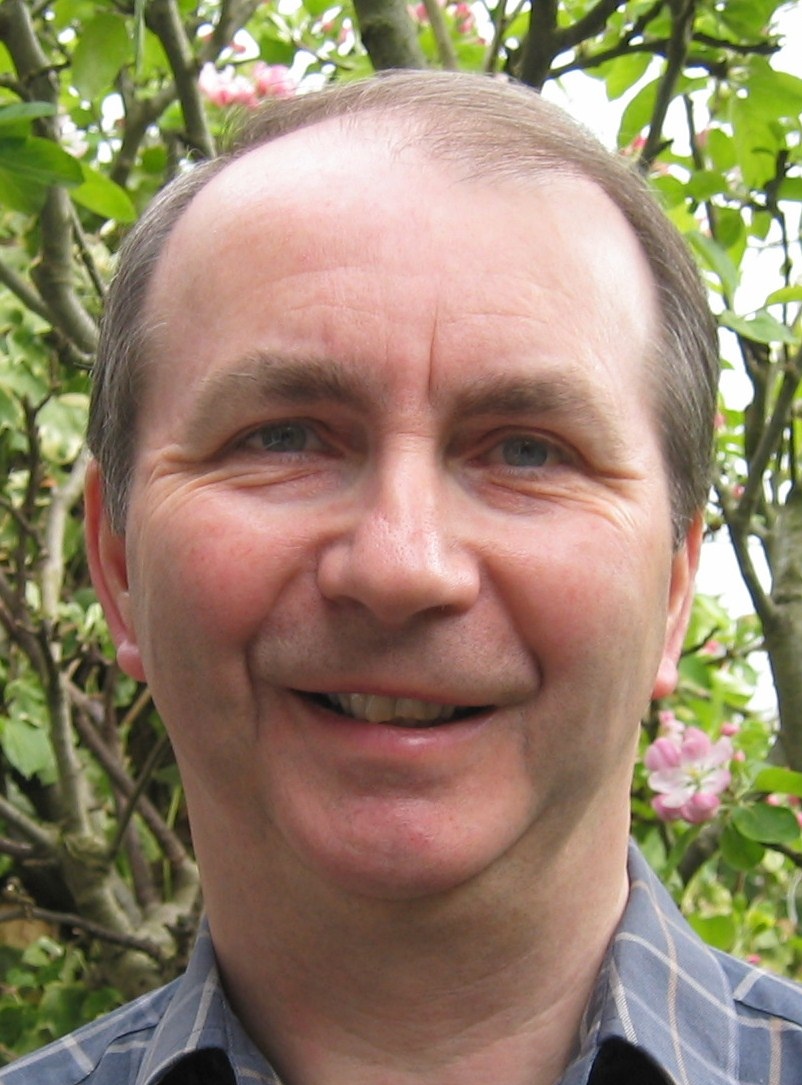
Philip Singleton
Philip Singleton 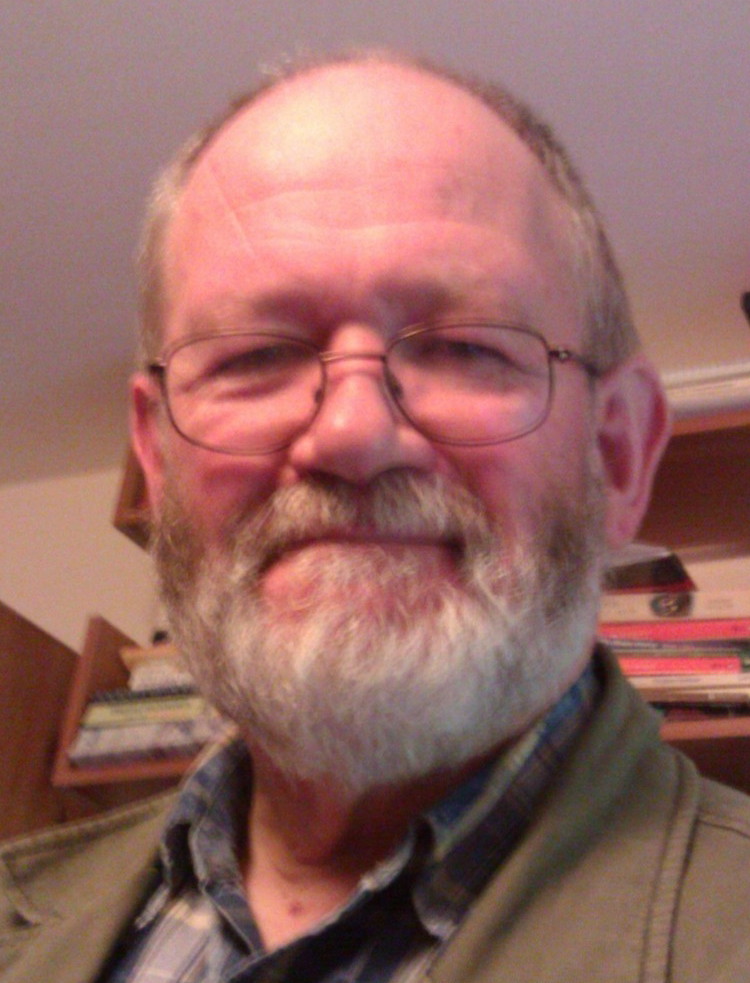 Ian
Stubbs Ian
Stubbs
heology in a community nea
Peter Webb, B.Sc.,
Ph.D. Pete Webb collected his first fossils in
his back garden at the age of 4. He read geology at
London University, graduating in 1967. The next four
years were spent studying the volcanics of the African
Rift Valley for his Ph.D. After a spell in academia,
Peter joined the oil industry in 1974, working as a
well-site geologist in the North Sea. Since then, he has
worked in several continents, particularly in the
southern hemisphere. He now works as a part-time
consultant, mostly overseas managing explorations and
providing training. Back home, he delivers public
lectures, particularly on fracking for oil and shale
gas.PPeter Webb, B.Sc., Ph.D. collected his first
fossils in his back garden at the age of 4. He read
geology at London University, graduating in 1967. The
next four years were spent studying the volcanics of the
African Rift Valley for his Ph.D. After a spell in
academia, Peter joined the oil industry in 1974, working
as a well-site geologist in the North Sea. Since then,
he has worked in several continents, particularly in the
southern hemisphere. He now works as a part-time
consultant, mostly overseas managing explorations and
providing training. Back home, he delivers public
lectures, particularly on fracking for oil and shale
gas. Peter Webb |